Want to Run Your Own
My Guide Website?
Find Out More
My Guide Website?
Contessa Entellina: a guided tour of the historic center
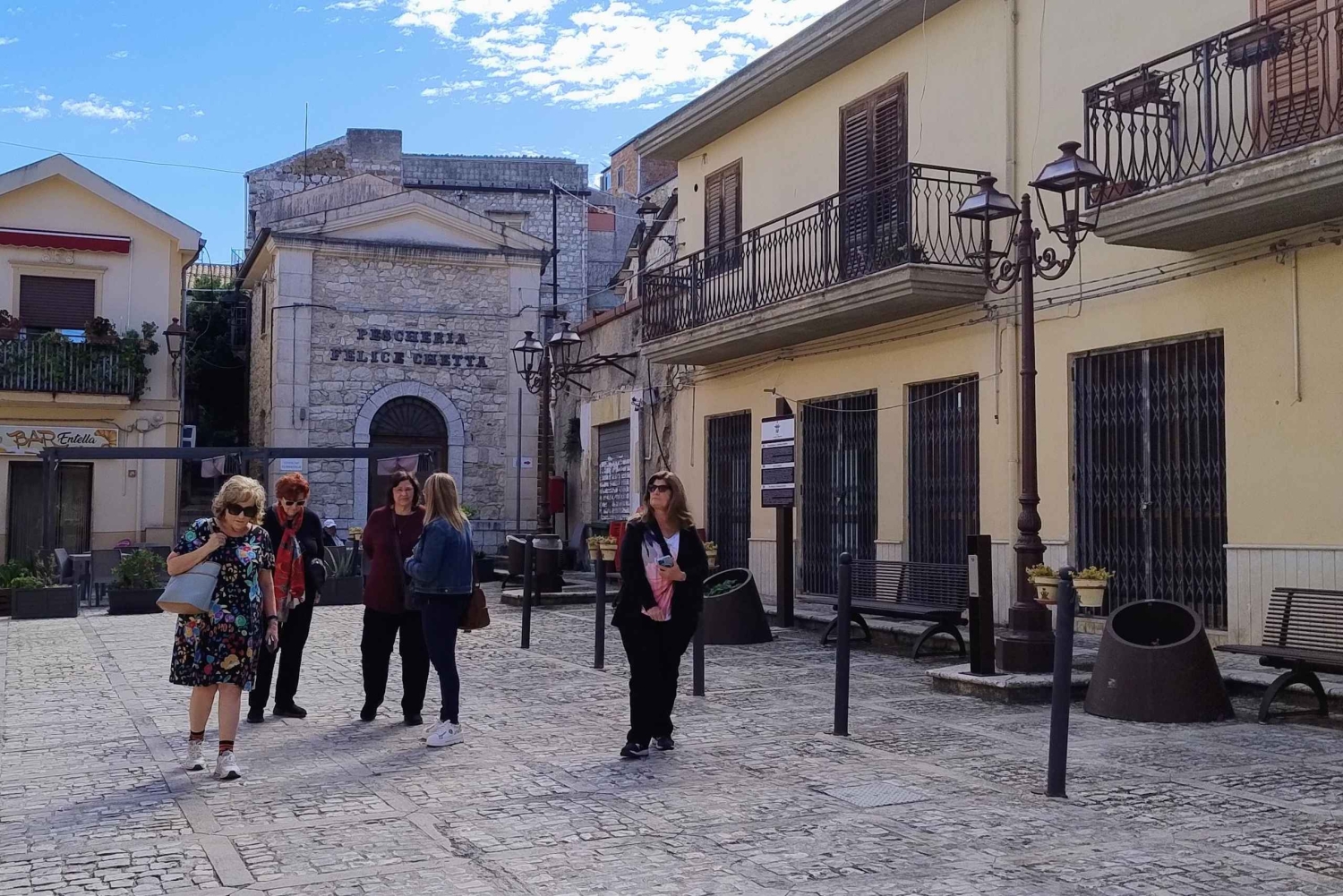
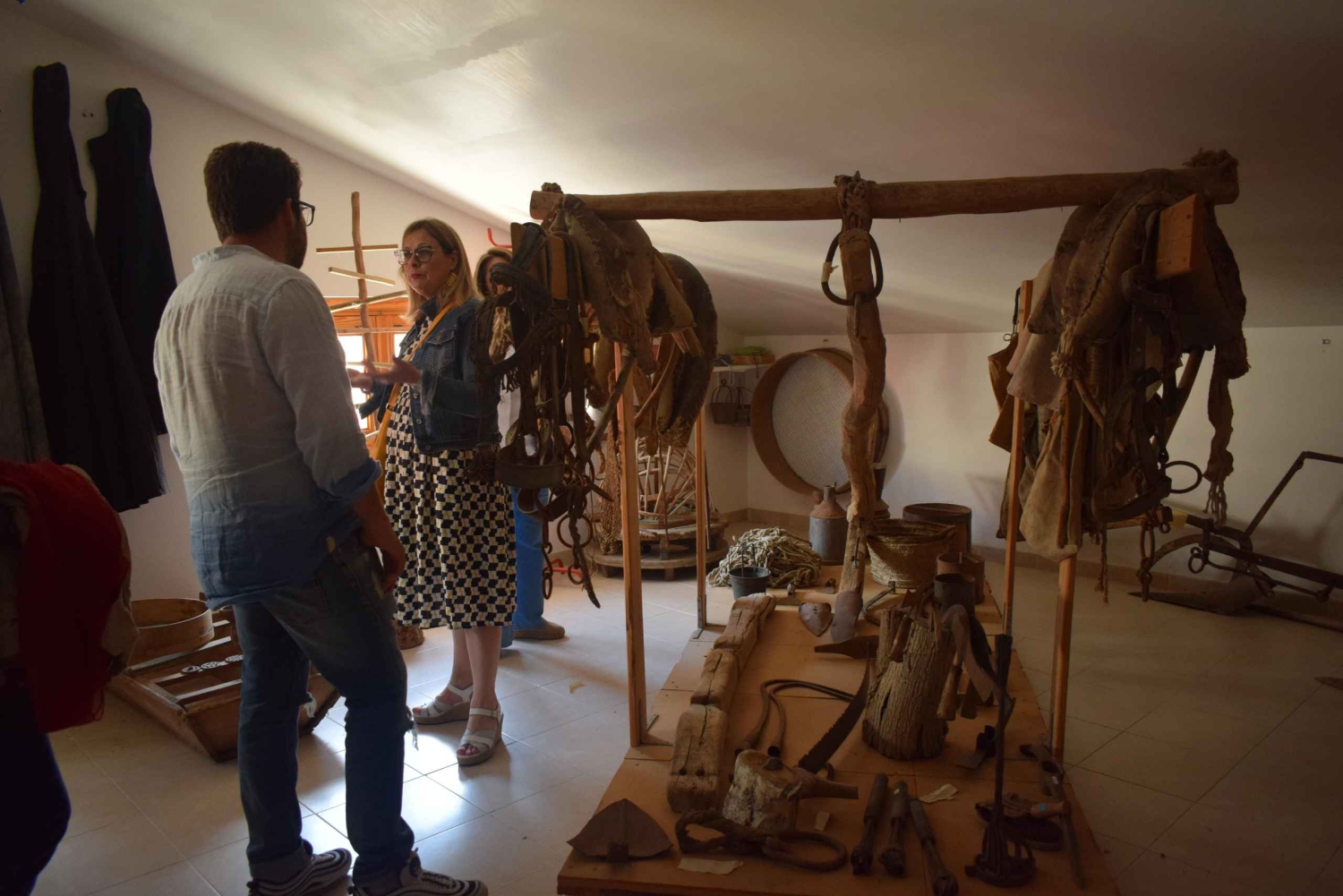
Guided tour of the historic center of Contessa Entellina, discovering the Arbëreshë language and local traditions with a "glimpse" of the area.
Highlights
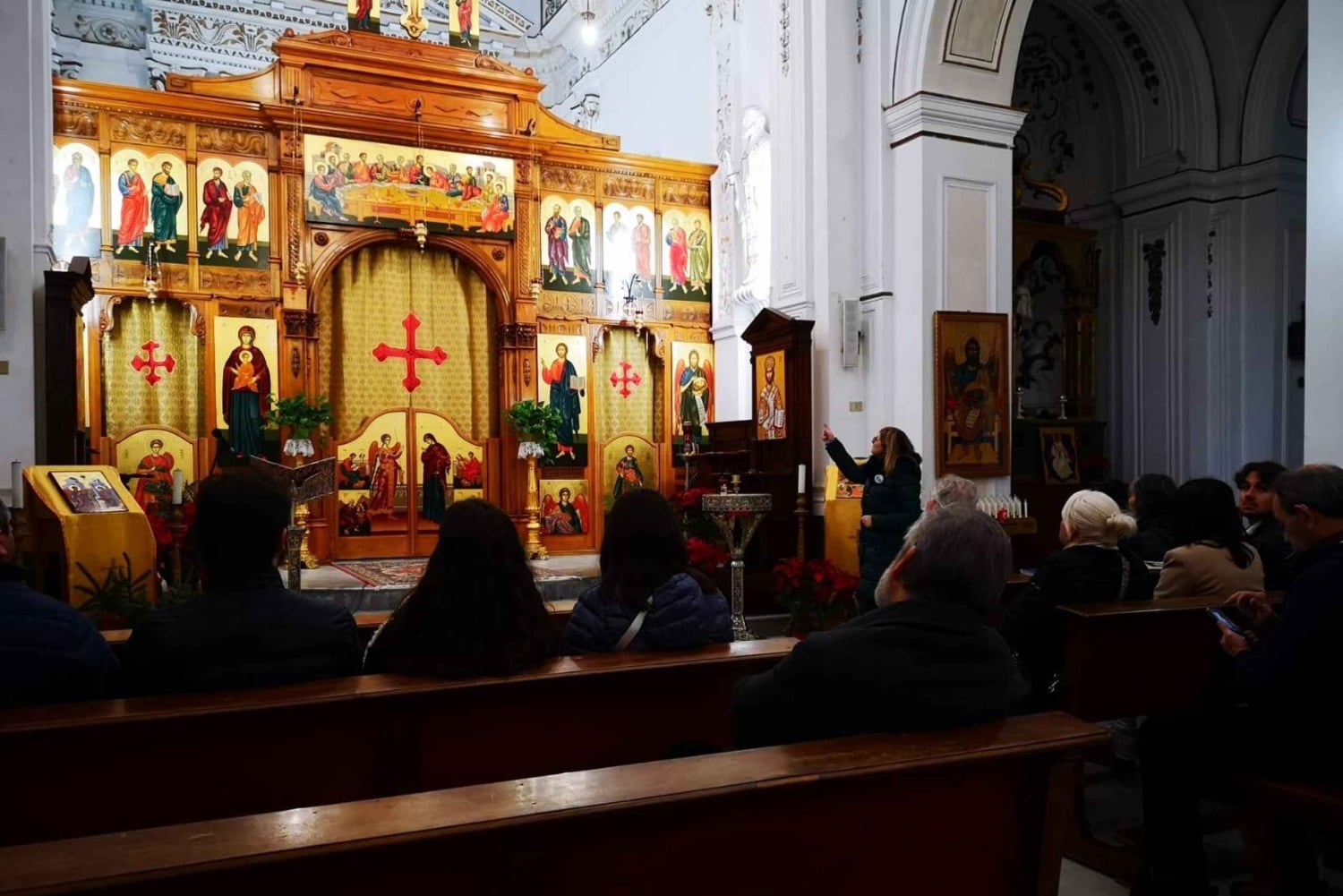
- a journey into the Byzantine rite and the history of Sicily
- a way to spend time together and get to know each other through local cultural activities
- an ethnic, linguistic, and religious oasis in the Belice Valley
Description
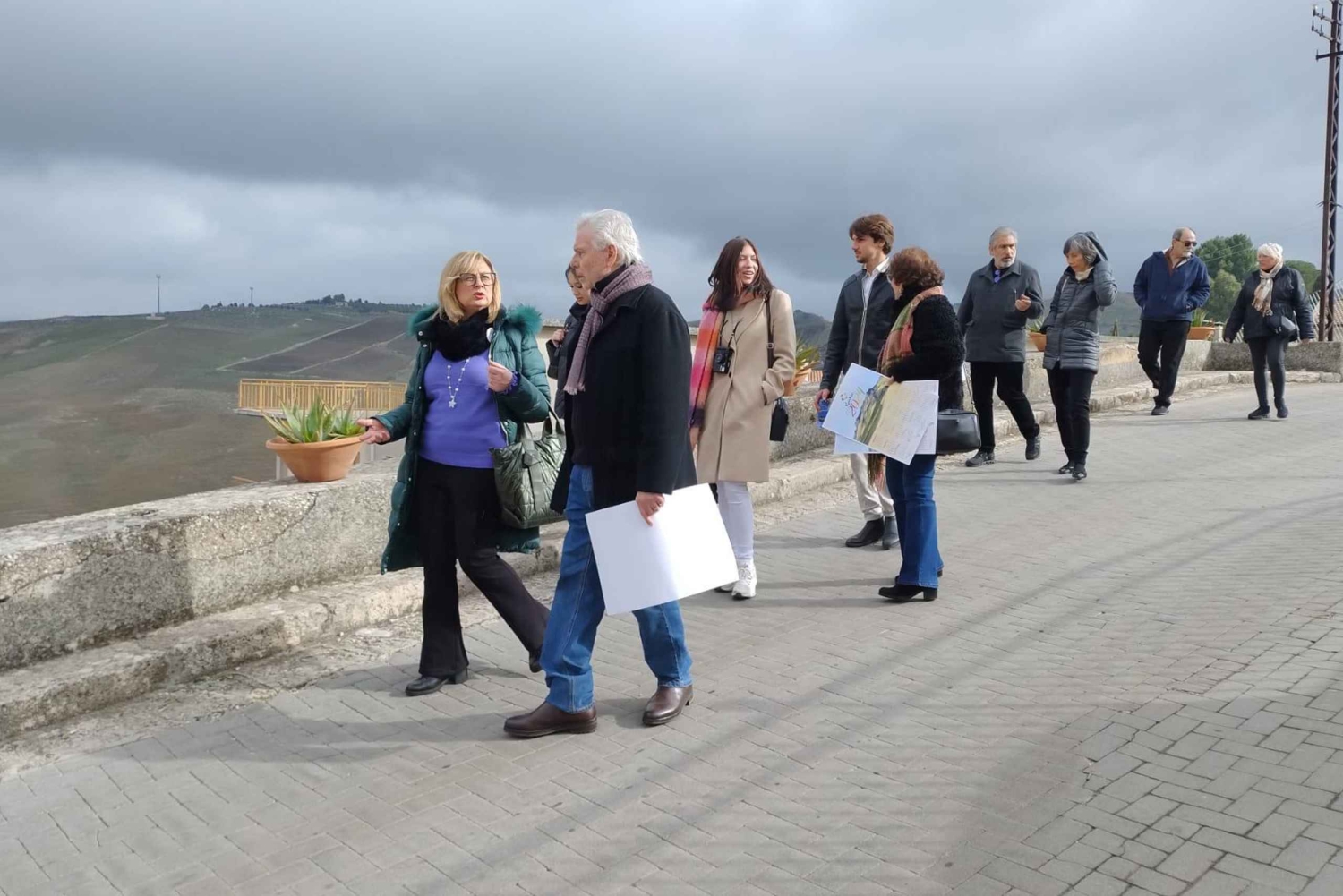
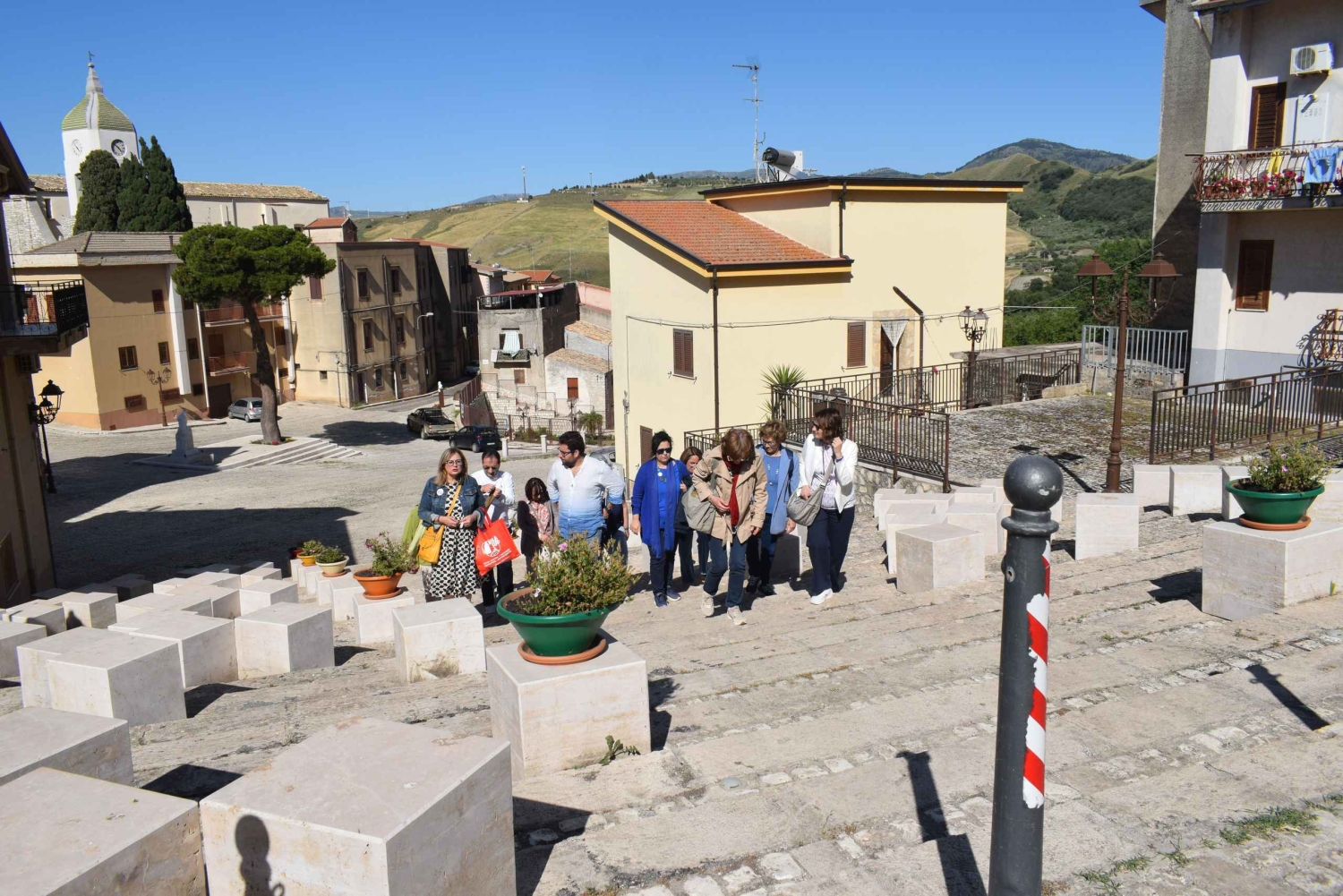
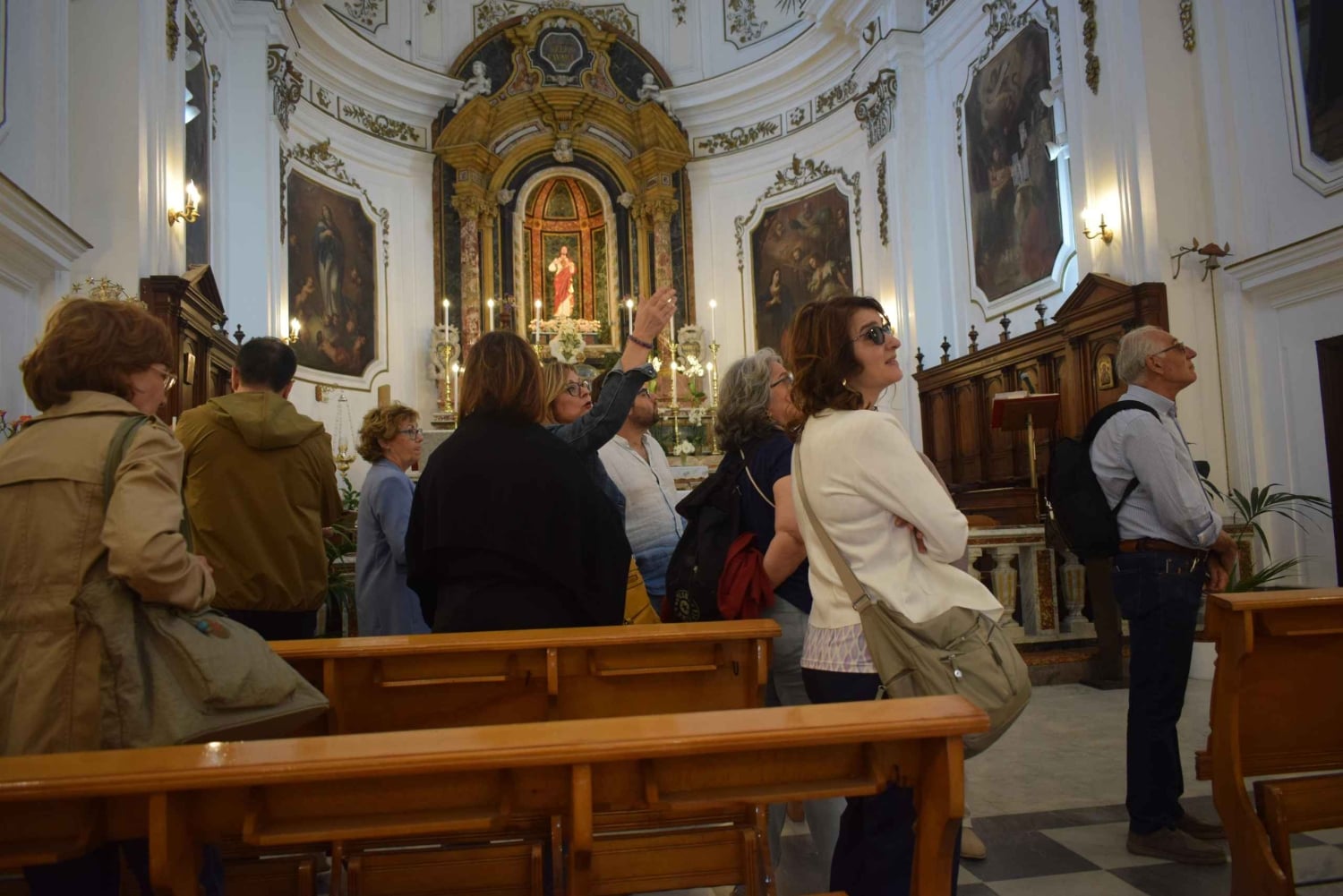
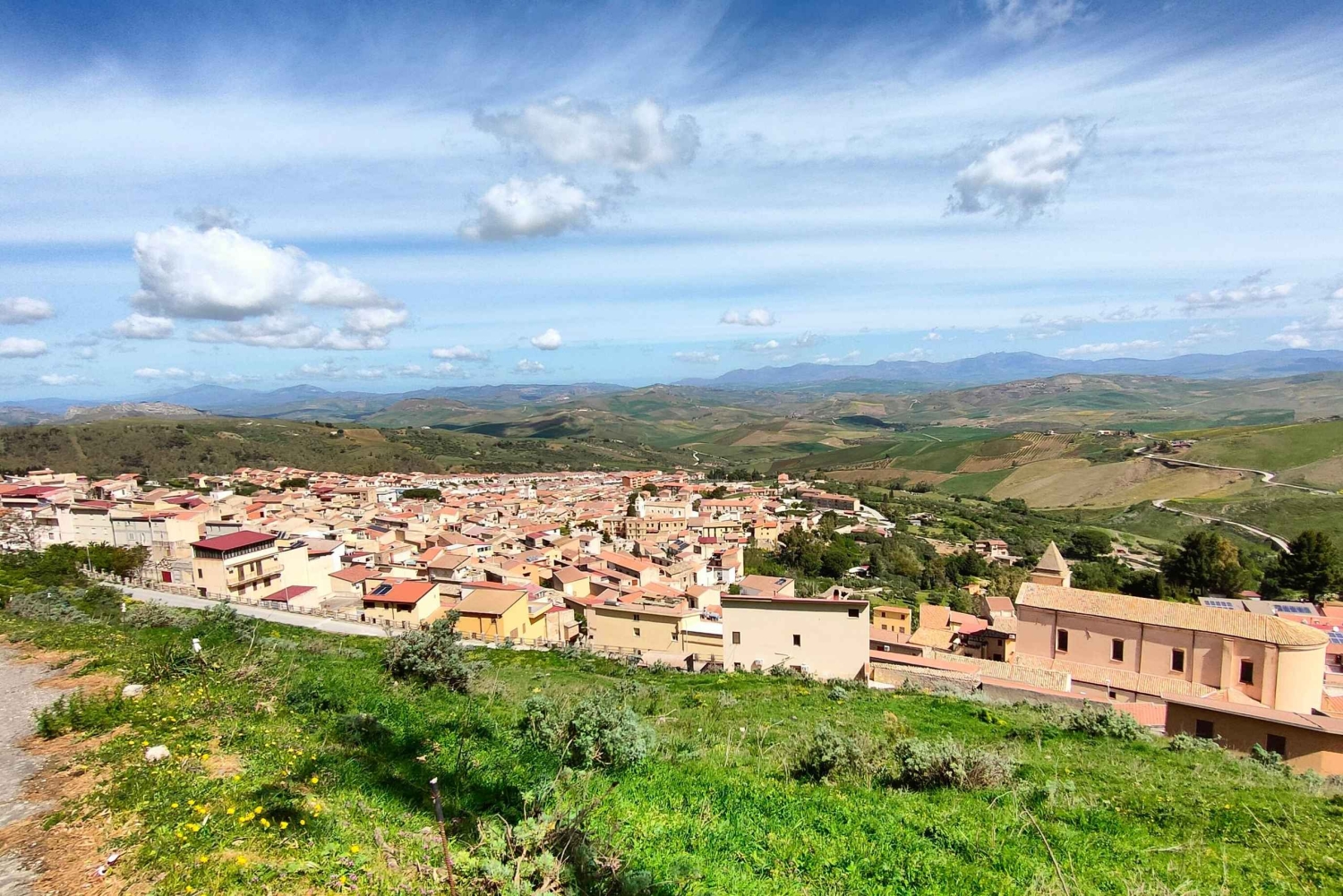
A visit to the small town of Contessa Entellina with one of our cultural operators is appreciated by all our visitors because it's a journey into the Byzantine rite and the history of Sicily, but it's also a time to spend together and truly get to know the soul of a unique place. Our association also manages the former convent of the Basilian sisters in the historic center, where you can rest, enjoy recreational moments, or hold meetings and other events. Overnight stays are available, as the building has several rooms and large spaces suitable for groups. A bit of history In the Middle Ages, Contessa was a rural village inhabited by shepherds and farmers, similar to other nearby villages of the time. Casale Comitissae, the farmhouse of Contessa, was already mentioned in the diplomas of King William II in 1178 and 1185. It was abandoned and fell into disrepair for some time, but in the second half of the 15th century, it was rebuilt and repopulated by Albanian soldiers from the castle of Bisiri (Mazara del Vallo), where they had served the king of Naples. They initially settled near the Castle of Calatamauro, in the Scirotta district, putting up their tents and building temporary shelters out of stones and reeds (katòi). They then moved to the Muzgat district (a location adjacent to the current town of Contessa). Finally, when they lost all hope of returning home after the death of Scanderbeg (1468), who had held back the expansion of the Turks in the Balkans for 25 years, they began to build permanent homes around the Church of the Annunziata. Contessa only developed significantly after 1500, when other Albanians arrived in Contessa and, being numerically consistent, were able to sign the Capitoli in 1520, obtaining the fiefdoms of Contesse and Serradamo from Don Alfonso Cardona in emphyteusis. A group of Albanian refugees, homogeneous in language, ethnicity, and religion, reached the hamlet of Contessa in 1521, after Don Alfonso Cardona paid the freight of the ships for their journey from the Greek island of Andros to Messina. In 1720, the Bagnatelle fief, now Valle dei Mulini, was also granted to the inhabitants of Contessa. The wheat fields, vineyards, orchards, and centuries-old olive groves, which can still be admired today in the fiefdoms of Serradamo, Contesse, and Bagnatelle, are visible evidence of the commitment to work that the Albanians of Contessa have dedicated to the territory repopulated since the 15th century. Today, the town of Contessa looks like a strange triangle of low houses, lined up along the narrow and winding streets, at the foot of three hills, called Brinjat. The old town (Hora e vjetër) was joined by the new Contessa, built after the 1968 earthquake. Contessa also includes five recently built agricultural villages in the various fiefdoms: Piano Cavaliere, Cozzo Finocchio, Roccella, Castagnola, and Pizzillo.Includes
You'll be accompanied by a local operator for the entire duration of your stay in Contessa Entellina, and any entrance tickets are included. Drinks at the bars in the two squares are included.Important Information
- The tour is perfect for those who want to discover places not 'frequented' by mass tourism.
Easy cancellation
Cancel up to 24 hours in advance for a full refund-
Reserve Your Experience
From€50.00Check availability Reserve now & pay later to book your spot and pay nothing today
Directions
Gallery